Annual Student Exhibition at Prey Speu Primary School
Showcasing Digital Education Achievements Through Support from the IDEAL Project
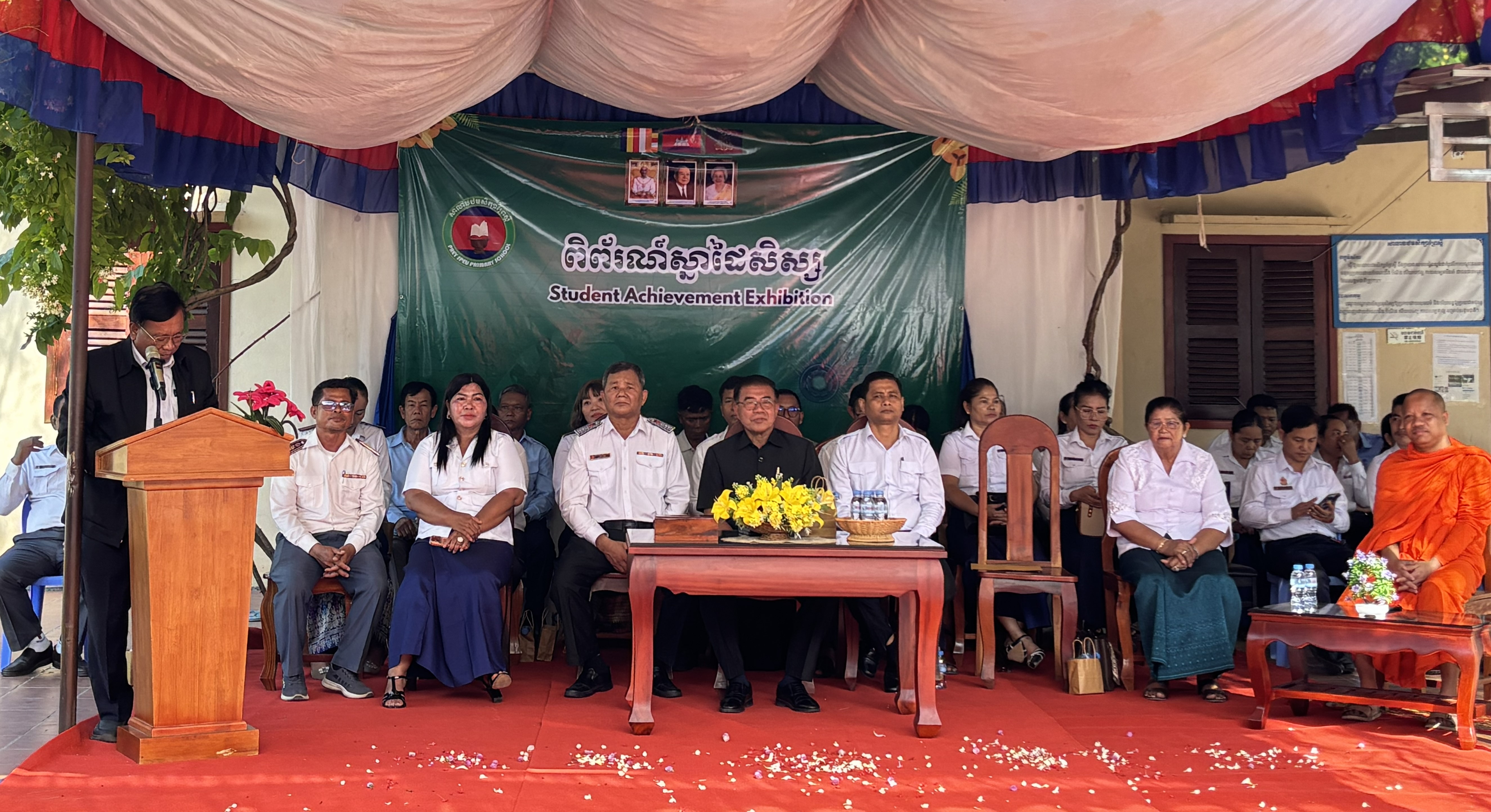
Phnom Penh: On July 11, 2026, Prey Speu Primary School, located in Prey Speu Village, Sangkat Choam Chao II, Khan Por Senchey, grandly hosted its annual student exhibition.
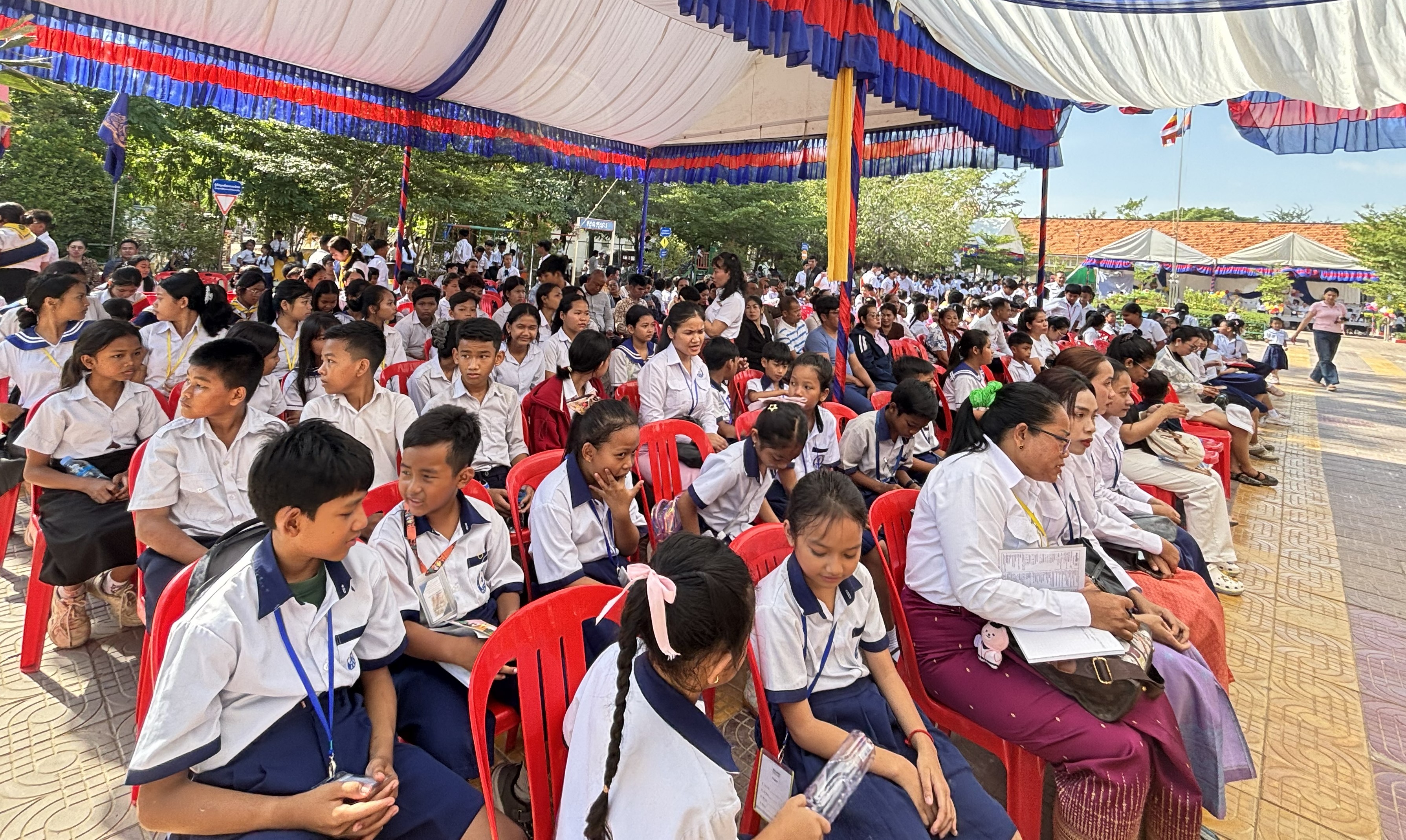
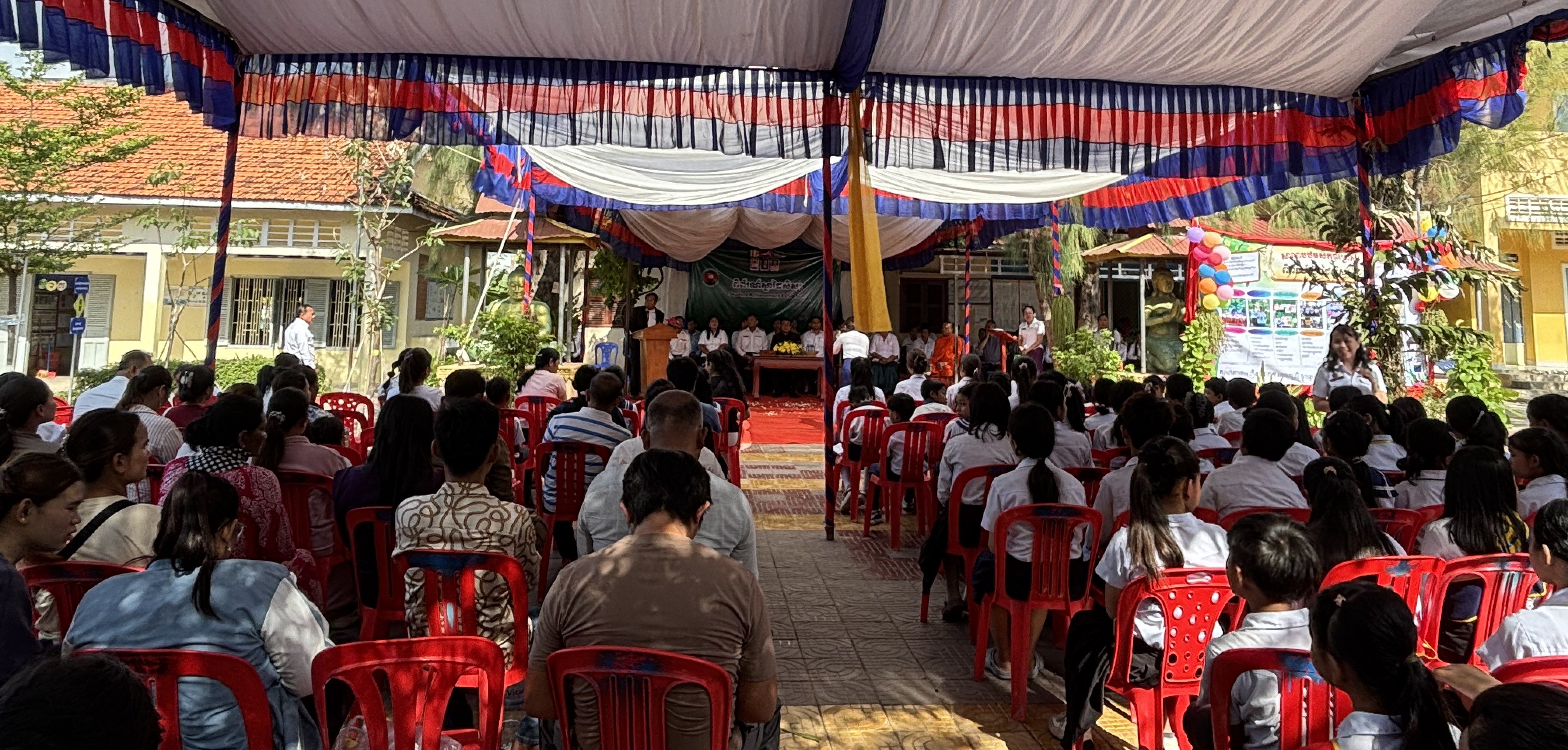
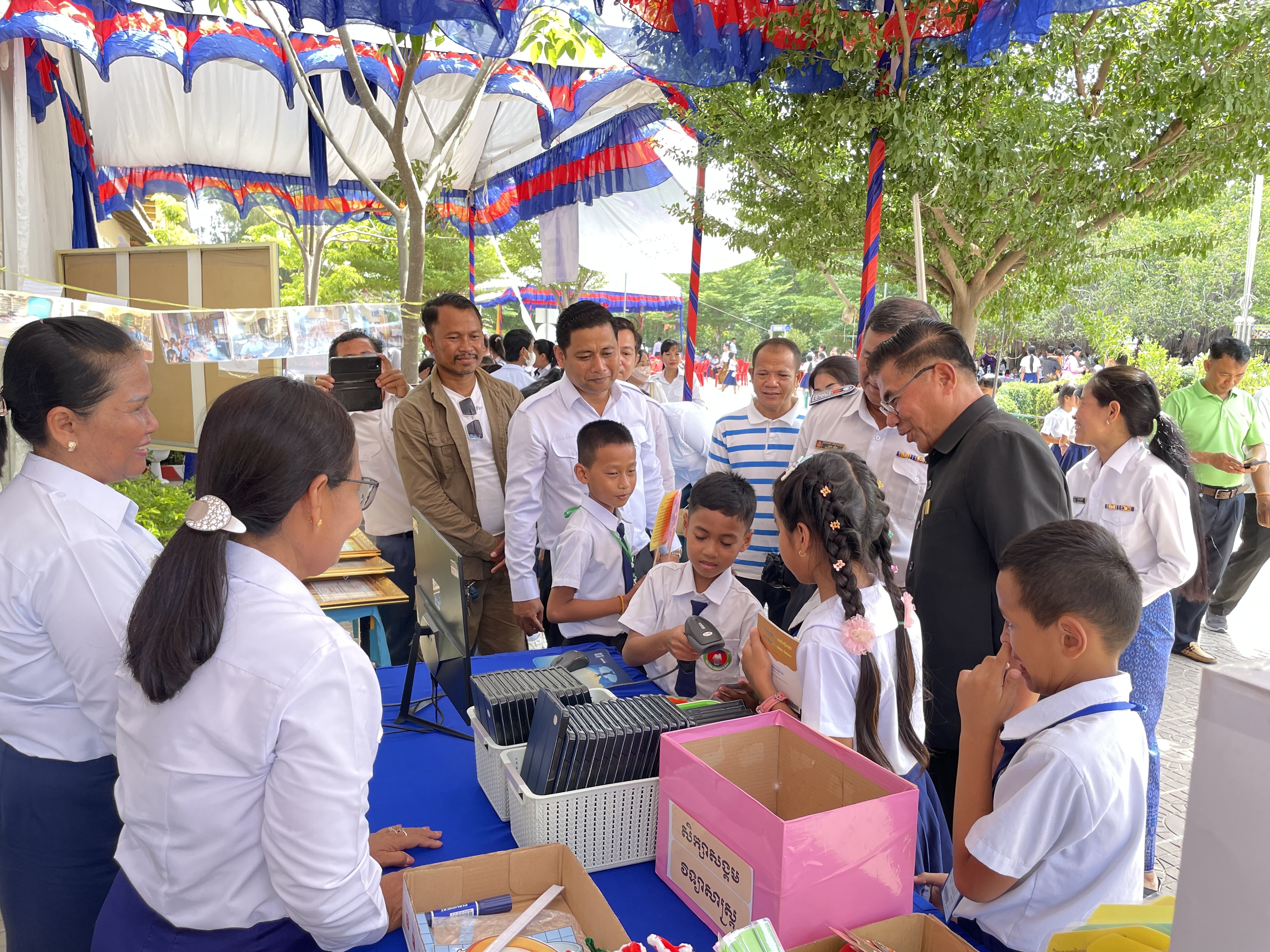
The event was presided over by Mr. Ouk Chantha, Deputy Director of the Phnom Penh Municipal Department of Education, Youth and Sport. It was supported by the Improving Digital Education for All Learners (IDEAL) project, which is funded by ChorokUsan for Children and implemented by KAPE (Kampuchea Action to Promote Education). The program saw a total of 2,328 participants, including students, teachers, the school principal, parents, monks, and relevant local authorities.
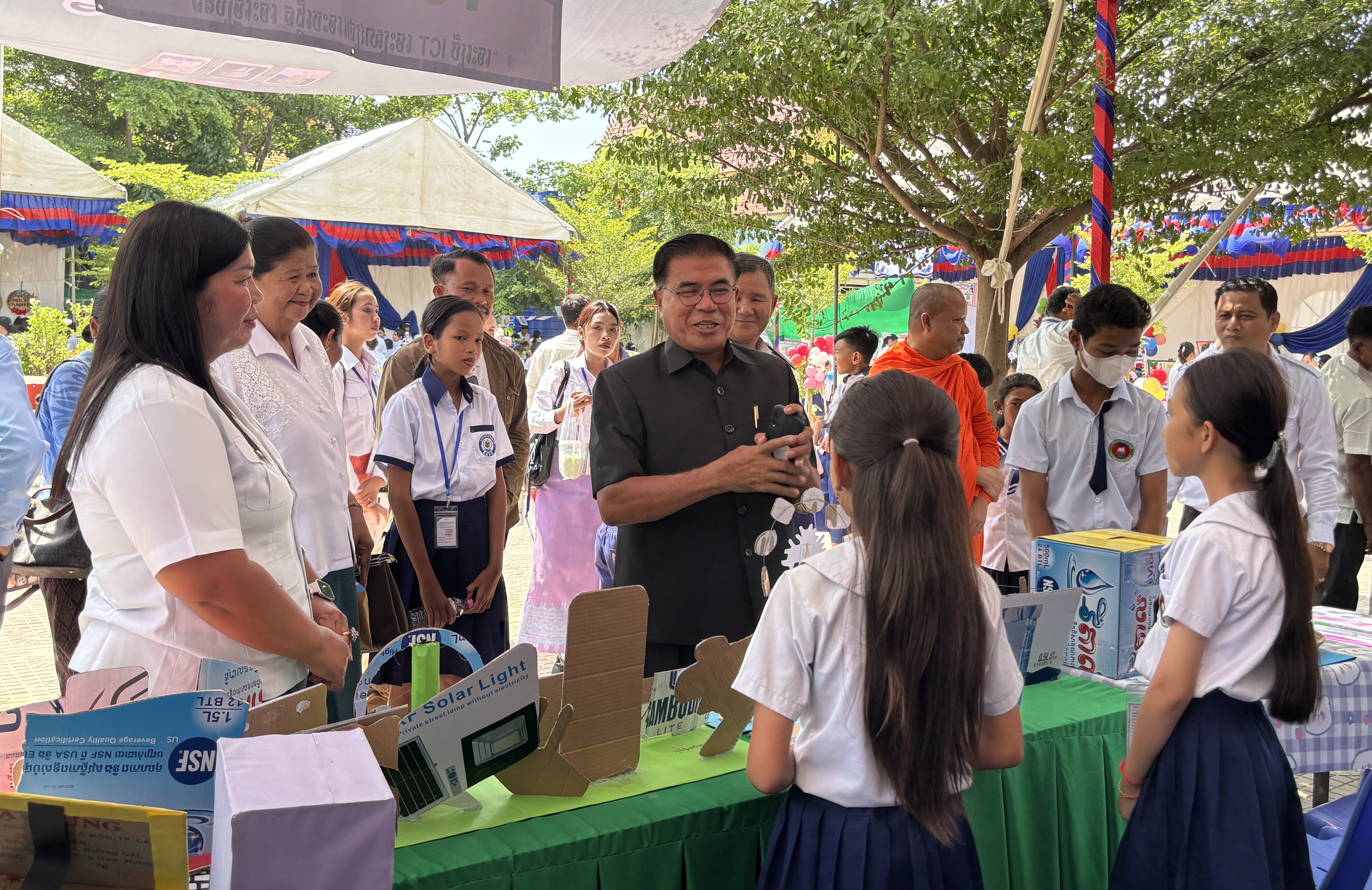
The exhibition was organized to showcase the various achievements born from the students' own creativity after a full academic year of learning and exploring. It provided an opportunity for parents, guardians, and honorable guests to observe and understand their progress.
Promoting Inclusive Quality Education: Highlighting the school leadership's commitment to inclusive education, Mrs. Hok Sat, Principal of Prey Speu Primary School, stated "*This is the second year the school has organized the student exhibition. This program is an excellent opportunity for students to demonstrate their abilities, experiences, and self-confidence. It also encourages participation from the community, parents, and development partners in enhancing educational quality with inclusivity and effectiveness.*"
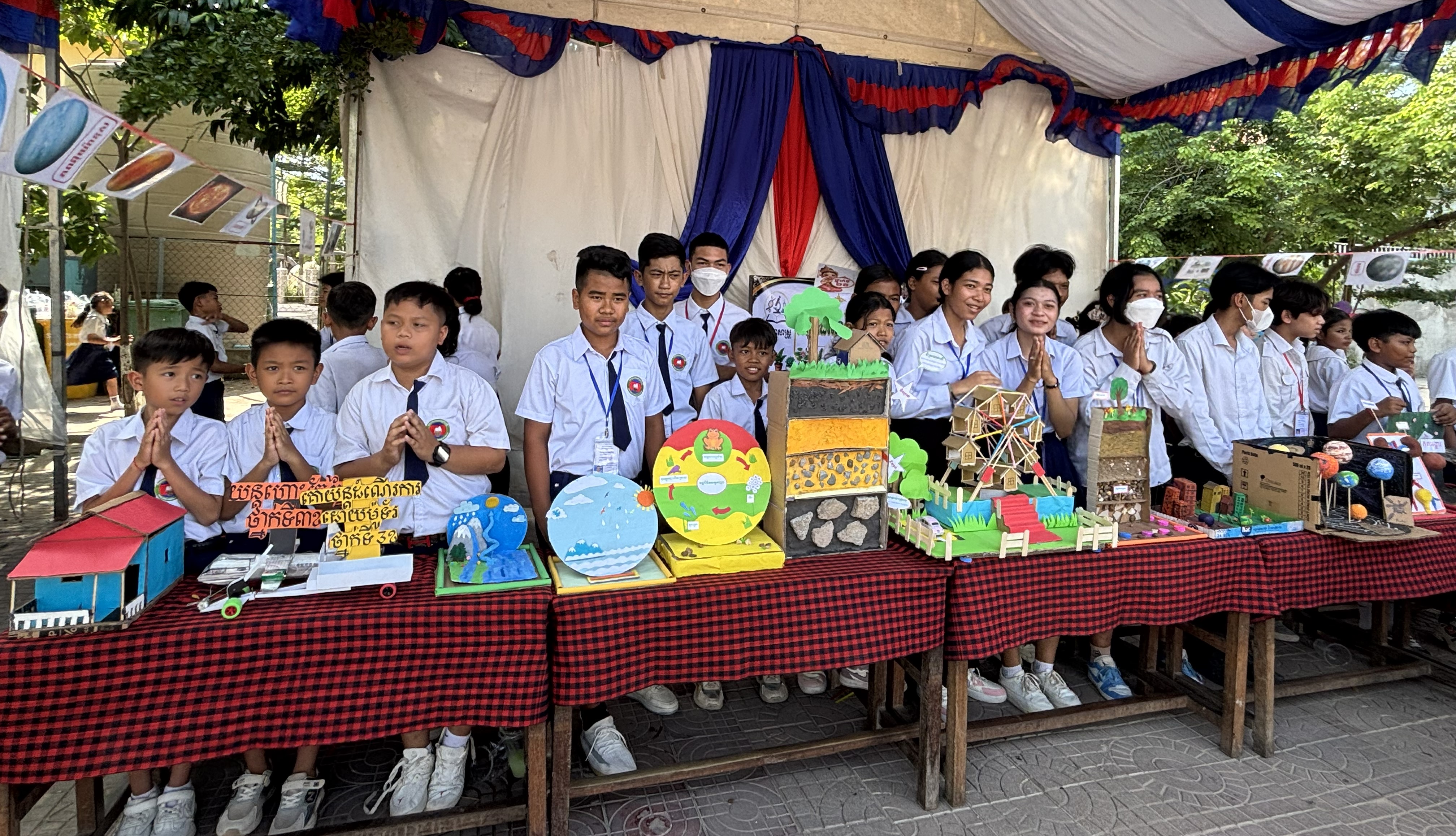
This student exhibition is the fruitful result of an initiative to establish study clubs within the school. Through these clubs, students collaborated, researched, compiled, and created technological works as well as various innovative ideas for display. These included the use of Information and Communication Technology (ICT) in education, learning and exploring Artificial Intelligence (AI), digital learning, and practical applications.
Speaking at the event, Mr. Hin Simhuon, Deputy Executive Director of KAPE, remarked that
"*IDEAL is a project whose goals align with the New Generation Schools, supporting educational institutions by focusing on integrating technology into education. This approach helps schools transform their teaching habits to be more effective, promotes digital and STEM education, and significantly contributes to Cambodia's future digital economy policies and goals. Furthermore, the active participation of parents, guardians, and the community in supporting their children plays a vital role outside the classroom.*"
Study Club Showcases: During the exhibition, seven study clubs actively presented their project results following the support they received from the IDEAL project. These included:
1. ICT Club: Focuses on training in digital technology and information systems, allowing students to learn how to use computers, software applications, and conduct online research.
2. Khmer Language Club: Focuses on promoting national literature through reading practice, essay writing, poetry composition, and public speaking. This helps students deeply understand their culture, use the national language correctly and clearly, and build confidence in communication.
3. Library Club: Focuses on book management, organizing reading activities, and cultivating a love for reading among students. This helps them build self-study habits, expand their general knowledge, and learn proper document organization.
4. Mathematics Club: Focuses on solving exercises, calculations, and playing logical brain games. This helps students develop their cognitive skills, calculate quickly, and enhance their reasoning abilities to solve various challenges.
5. Art Club: Encompasses drawing, music, dance, and other creative arts. It provides an opportunity for students to express their innate talents, relieve academic stress, and foster a love for both traditional and modern arts and culture.
6. Science Club: Based on practical experiments, observing natural phenomena, and understanding the foundations of scientific subjects. This helps students grasp theoretical lessons more clearly through hands-on practice and cultivates the spirit of young scientists.
7. Life Skills Club: Focuses on teaching practical daily living skills, such as vegetable gardening, cooking, sewing, embroidery, and recycling materials. These skills help students become independent, capable of managing and solving everyday life challenges on their own in the future, and appreciate the value of labor.
Looking to the Future
This event provided a broad platform for teachers and students to exchange, share, and absorb new knowledge and experiences from one another regarding the use of technology and digital tools in education.
Ultimately, the knowledge, experiences, and achievements that students gained from participating in these study clubs and this exhibition serve as invaluable foundational assets. They will empower these students to continue their studies, further develop their digital skills, and create possibilities for greater opportunities in the future.